

Can Dogs Eat Strawberries, Blueberries and Blackberries?
Alex WillenTL;DR: Yes, dogs can eat strawberries, blueberries, and blackberries. All three are safe, low-calorie, and packed with antioxidants and fiber. Serve them fresh, whole or sliced (mash for tiny dogs), skip the syrupy canned versions and the berry-flavored desserts. A small handful is a great snack.
A bowl of mixed berries hits the spot on a hot day, and odds are good your dog is staring at you wanting in on the action. The good news: strawberries, blueberries, and blackberries are all safe for dogs and genuinely good for them. The catch is that "berries are good for dogs" isn't the same as "anything berry-flavored is good for dogs," and a few small prep rules make a difference.
Below we cover each berry on its own, then walk through the most common combo questions people ask (strawberries and blueberries together, blueberries and blackberries, mixed berry bowls), plus how to serve and how much. Jump to whatever's in your fridge.
Can Dogs Eat Strawberries and Blueberries?
Yes. Strawberries and blueberries are both safe for dogs, and they pair well together as a snack. Both are low in calories, high in fiber, and loaded with antioxidants. You can serve them fresh, frozen, or pureed into a topper for your dog's food.
The rule of thumb: feed them plain. No sugar, no whipped cream, no shortcake. A small handful for a medium dog is plenty.
One of our favorite ways to serve a strawberry-blueberry combo: mix the fresh berries into a spoonful of plain Greek yogurt, or freeze the mix in an ice cube tray for a hot-day treat.
Can Dogs Eat Blueberries and Strawberries?
Same question, opposite order, same answer: yes. Both fruits are safe and nutritious for dogs. Blueberries bring anthocyanins (antioxidants that support brain health), strawberries bring vitamin C and a sweet flavor most dogs love. Together they're one of the better fresh-fruit snack pairings you can offer.
The only realistic gotcha is choking risk with very small dogs, whole blueberries can get stuck in tiny throats and whole strawberries are big enough to be a hazard for any dog that inhales food. Slice strawberries into bite-size chunks and mash or halve blueberries for small dogs.
Can Dogs Have Blueberries and Strawberries?
Yes, dogs can have both blueberries and strawberries together. They're a smart pick if you're trying to add fruit to your dog's routine because they're nutrient-dense, low-calorie, and most dogs find them naturally appealing without any added sugar.
Can Dogs Have Strawberries and Blueberries?
Yes. Plain, fresh strawberries and blueberries are a healthy combination for dogs. Skip anything with added sugar (most "berry blend" yogurts, smoothies, jams, sauces, and baked goods). The fruit itself is great; the sweetened stuff around it is the problem.
Are Strawberries and Blueberries Good for Dogs?
Yes. Both are genuinely good for dogs, not just "safe in moderation":
- Antioxidants, both fruits are antioxidant powerhouses. Blueberries are especially high in anthocyanins, which support brain function as dogs age.
- Vitamin C, strawberries pack a lot of it; dogs can synthesize their own vitamin C, but dietary sources still help with immune function.
- Fiber, supports digestion and helps your dog feel full.
- Low calorie, you can use them as training treats without worrying about weight.
- Hydration, both have high water content, useful on hot days.
Are Blueberries and Strawberries Good for Dogs?
Yes, both are. The nutritional case is strong: antioxidants, fiber, vitamin C, low calorie count, and most dogs like the flavor. If you're looking for a fresh-fruit snack to add to your dog's rotation, this combo is one of the best options.
Can Dogs Eat Strawberries?
Yes. Fresh, ripe strawberries are a great snack for dogs. They're high in fiber and vitamin C, low in calories, and full of antioxidants that support immune function, joint health, and brain health as your dog ages. The natural sweetness makes them appealing to most dogs, and the low calorie count means a few here and there won't pack on weight.
If your dog loves strawberries, you can dice them small and use them as training rewards. They also work well pureed over kibble to add flavor and moisture.
Are Strawberries Good for Dogs?
Yes. Strawberries support a dog's immune system, contribute to dental health (they actually contain an enzyme that may help whiten teeth), and bring antioxidants that help with aging well. Just remember they have natural sugar, so portion size matters.
Risks of Giving Strawberries to Dogs
The main risk is choking, whole strawberries are sized awkwardly for many dogs. Slice them into bite-size pieces, especially for small dogs.
The other rule: strawberries themselves are healthy, but strawberry-flavored things usually aren't. Skip strawberry candy, strawberry shortcake, strawberry Starburst, strawberry hard candy. Canned strawberries in syrup are loaded with sugar even after you drain them, the fruit absorbs the sugar. Stick to fresh.
And yes, strawberry juice stains. Watch your white couch after your dog has been snacking.

Can Dogs Eat Blueberries?
Yes, and blueberries are one of our favorite snacks for dogs. We keep a bag of frozen blueberries in the freezer year-round. Health benefits are real, the size is perfect for a treat, and most dogs love the burst.
Heads up: blueberry juice is dark and stains hard. If your dog is about to chew through a handful of blueberries, that's not the moment to be wearing your nice white shirt.
Are Blueberries Good for Dogs?
Very. Blueberries are loaded with vitamin C and fiber, and they have one of the highest antioxidant concentrations of any fresh food, especially anthocyanins, which specifically support brain function. As dogs age, oxidative damage to brain cells contributes to cognitive decline, and the only meaningful way to slow it is through diet. Blueberries are one of the best food-level interventions.
Darker blueberries (often wild varieties) have higher anthocyanin content than the larger, lighter cultivated ones. If you have a choice, the small dark ones are nutritionally superior.
Blueberries are also extremely low in calories but feel filling, which makes them a great snack for dogs who need to lose a few pounds.
Risks of Giving Blueberries to Dogs
Risks are minimal. For very small dogs, whole blueberries can be a choking hazard, mash them or halve them. Otherwise, the only real warning is the same as with strawberries: blueberry-flavored foods (smoothies, pies, muffins, cobblers, candy) are almost always sugar-laden and not appropriate for dogs. Plain blueberries, yes. Blueberry pie, no.

Can Dogs Eat Blackberries?
Yes. Blackberries are safe and healthy for dogs, full of antioxidants, fiber, and several vitamins. Hand a few over and feel good about it. (Unless you mean a 2005 BlackBerry phone, in which case no, dogs should not eat those either.)
Can Dogs Have Blackberries?
Yes, dogs can have blackberries, fresh, frozen, or mashed into food. They're one of the safer fruit snacks because there's no toxic part of the plant and no part that's unsafe to eat. Just don't overdo it, too many berries at once can cause loose stool from the sheer fiber load.
Are Blackberries Good for Dogs?
Yes. Blackberries bring:
- Antioxidants, anti-inflammatory effects, help with heart health and cognitive function
- Fiber, supports digestion
- Vitamins A, B, C, E, and K, broadly supportive of immune function, energy, and skin/coat health
- Omega-3 fatty acids, surprisingly, blackberries contain some, which support coat shine and skin health
- Low calorie, snack away without worrying about weight
Risks of Giving Blackberries to Dogs
The only real risk is overindulgence. Too many blackberries at once can cause loose stool or stomach upset from the fiber. Stick to a small handful for medium-to-large dogs, fewer for small dogs. And blackberry juice stains, same as the other dark berries.
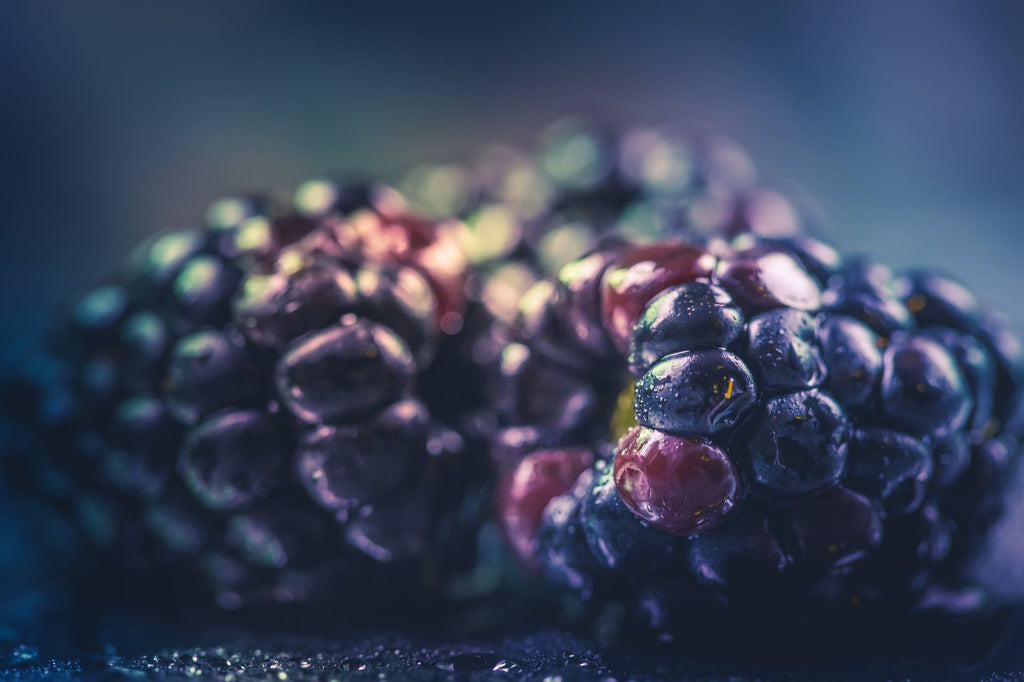
Can Dogs Eat Blackberries and Blueberries?
Yes, both are safe and nutritionally complementary. Blackberries and blueberries together give your dog a serious antioxidant load with very few calories. The combo works fresh, frozen, or pureed over food. Same rules as the individual berries: a small handful for a medium dog, mashed or halved for tiny dogs, no added sugar.
Can Dogs Eat Blueberries and Blackberries?
Yes. Same answer regardless of which berry you list first. Blueberries and blackberries are both dog-safe and both bring meaningful nutritional value. Fresh is best; frozen is also fine and tends to be cheaper if you're buying in volume.
Can Dogs Eat Mixed Berries?
Mostly yes, if the mix is strawberries, blueberries, blackberries, and/or raspberries. All four are dog-safe.
The one critical exception: grapes and currants are highly toxic to dogs. If your "mixed berry" bowl contains any grape varieties (which sometimes hide in dried "berry medley" mixes), don't share it. Even a small amount of grape can cause acute kidney failure in dogs. Read labels on any pre-mixed berry products, especially dried ones, before you let your dog near them.
Same on sweetened products. Mixed-berry yogurt, mixed-berry smoothies, mixed-berry sauces, and mixed-berry baked goods almost always contain enough added sugar to be a poor choice for dogs. Build the mix yourself from plain fresh berries and you're fine.
How to Prepare Berries for Dogs
You really don't have to do much, that's part of why berries are great. The basics:
- Wash them, removes any pesticide residue and dirt
- Slice strawberries, into bite-size chunks for choking safety
- Halve or mash for small dogs, especially with blueberries
- Freeze, frozen berries are a great hot-day snack and add crunch
- Puree, blend a handful and pour over kibble for a flavor boost
One easy summer trick: drop a single blueberry or piece of strawberry into each well of an ice cube tray, fill with plain yogurt or water, freeze. You get bite-size frozen treats that last and don't fall apart. Works great in the bone-and-paw silicone molds in our Pupsicle Starter Kit.
How Much Berry Can Dogs Have?
- Small dogs (under 15 lbs): 2-3 blueberries, half a strawberry, or 2-3 blackberries at a time
- Medium dogs (15-50 lbs): A small handful, maybe 5-10 berries
- Large dogs (50+ lbs): A larger handful is fine, but not a full cup as a single snack
Berries are low calorie. The real limit isn't calories, it's fiber, too much in one sitting causes loose stool.
How to Serve Berries to Dogs
A few easy ideas:
- Plain, just hand them over (or toss them and watch your dog miss the catch)
- Frozen, fresh out of the freezer for a crunchy, cool snack
- Pureed over kibble, instant upgrade to a boring meal
- Mixed into plain Greek yogurt, see our yogurt guide for which kinds are safe
- Frozen yogurt cubes, drop a berry in each well of an ice cube tray, top with yogurt, freeze
- Pupsicle topper, our Pupsicle Mixes work well with a few fresh berries blended in before freezing
- Smoothie, blend berries with plain yogurt and water, freeze in molds
The Short Version
Strawberries, blueberries, and blackberries are all dog-safe and genuinely healthy. Serve them plain and fresh (or frozen), in reasonable amounts, skipping the added sugar that ruins most "berry" flavored products. Watch for choking with very small dogs by slicing or mashing. And keep an eye out for grapes hiding in mixed-berry products, those are the one true berry-section danger.


