

Can Dogs Eat Avocados?
Alex WillenTL;DR: Best to avoid. Avocado flesh contains persin, a fungicidal toxin most concentrated in the skin, pit, and leaves. The flesh has small amounts that are unlikely to harm most dogs in tiny quantities, but the pit is a serious choking and intestinal blockage hazard, and the high fat content can trigger pancreatitis. Skip the guacamole and avocado toast. If your dog ate avocado pit, skin, or leaves, call your vet.
Avocado sits in a weird middle ground for dogs. It's not as outright dangerous as grapes or onions, but it's also not on the "go ahead, share some" list with apples and blueberries. The flesh has some health benefits but also some toxin content, and the parts around the flesh (pit, skin, leaves) are genuinely risky. The most honest answer to "can my dog have avocado" is: it's not worth the bother.
Below we cover what's actually going on with avocado toxicity, the parts to worry about most, and dedicated answers for avocado toast, avocado oil, guacamole, and what to do if your dog got into the pit or skin.
Can Dogs Eat Avocados?
Best avoided. Avocado flesh isn't usually acutely toxic to dogs in small amounts, but it contains persin (a natural fungicidal toxin), and the rest of the avocado (skin, pit, leaves) has much higher concentrations of persin plus other risks. The fat content is also high enough that regular avocado feeding can trigger pancreatitis in sensitive dogs.
Some commercial dog foods include trace amounts of avocado or avocado meal, those are formulated to be well below the toxic threshold. Sharing avocado from your kitchen is a different situation: you can't easily control portion size, the pit and skin are right there, and there's no real upside.
Are Avocados Good for Dogs?
Mixed. Avocado flesh does have some nutritional value, healthy monounsaturated fats, vitamins (B6, C, E, K), potassium, folate, and some fiber. The fats are anti-inflammatory in measured doses. This is why a handful of dog food brands include small amounts of avocado.
The problem is that the upside is real but small, and the downside (persin toxicity, pancreatitis risk, choking hazard from the pit) isn't worth it when there are plenty of safer alternatives that deliver the same kinds of nutrients. Eggs, sardines, and salmon all deliver healthy fats without the toxin question.
Risks of Giving Avocados to Dogs
Three real risks worth understanding:
Persin toxicity. Persin is a fungicidal toxin naturally present in avocados. It's most concentrated in the skin, pit, and leaves, with much lower amounts in the flesh. Dogs are more resistant to persin than birds, horses, or cattle (those animals can die from much smaller doses), but persin can still cause vomiting, diarrhea, and GI upset in dogs at high enough doses. The risk is real, just lower than for some other animals.
Pancreatitis from high fat. Avocado is fat-dense. One medium avocado has about 30 grams of fat. For dogs prone to pancreatitis (cocker spaniels, miniature schnauzers, Yorkies, and dogs with a history of pancreatitis are all higher risk), even small amounts of avocado can trigger an attack. Pancreatitis can be life-threatening and requires veterinary treatment.
Choking and blockage from the pit. The pit is large, round, and exactly the wrong size for a dog's throat. Swallowed pits can cause intestinal blockage that requires emergency surgery. This is actually the most common avocado-related vet visit, dogs eating the pit, not the flesh.
What to Do If Your Dog Ate Avocado
It depends what they ate:
- A small amount of plain avocado flesh: Most dogs will be fine. Watch for vomiting or diarrhea over the next 12-24 hours. If symptoms persist or get worse, call your vet.
- A larger amount of flesh (more than a few tablespoons): Risk of GI upset or pancreatitis goes up. Call your vet, especially if your dog is prone to pancreatitis or you see vomiting, lethargy, or abdominal pain.
- Avocado skin or leaves: Higher persin content. Call your vet to discuss whether monitoring or treatment is needed.
- The pit: Most urgent scenario. Call your vet immediately. The pit can cause intestinal blockage, which is a surgical emergency. Watch for vomiting, lethargy, refusal to eat, or not pooping, all signs of possible blockage.
- Guacamole: Worry less about the avocado and more about the onion, garlic, and salt (and sometimes tomato in pico de gallo). Onion and garlic are toxic to dogs and the bigger problem in most guac. Call your vet, especially for any meaningful amount.
The ASPCA Animal Poison Control line (1-888-426-4435) is available 24/7 if you're not sure whether what your dog ate warrants a vet visit.
Can Dogs Eat Avocado Toast?
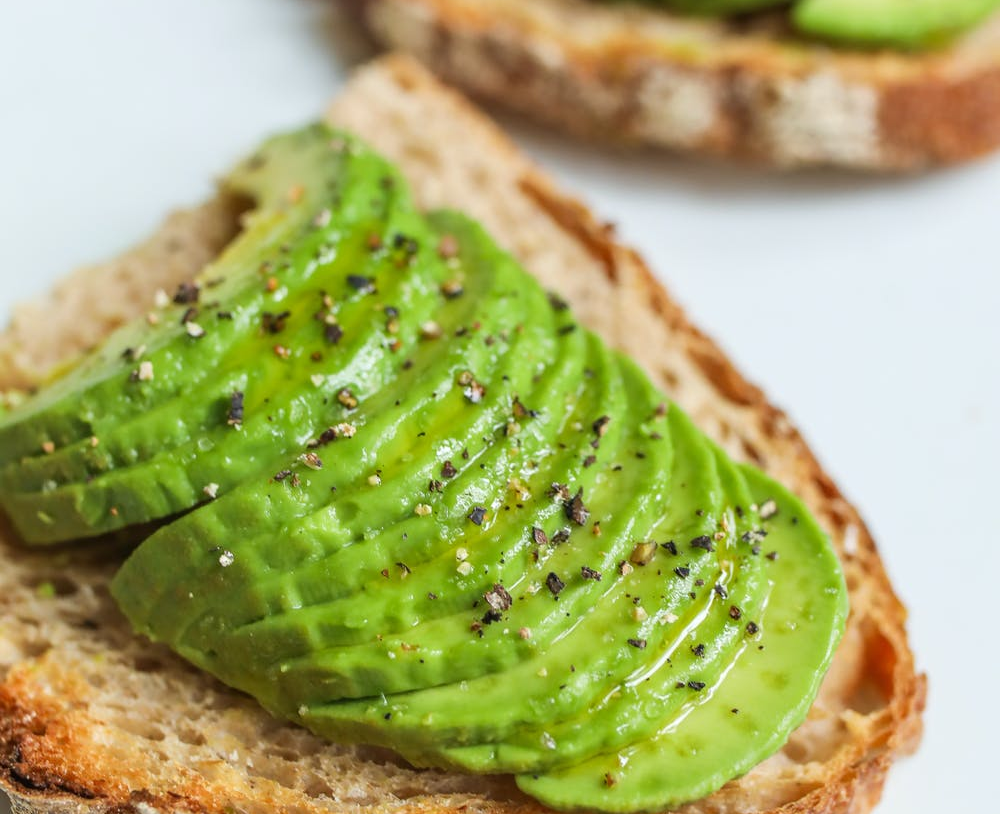
Not really. Avocado toast is usually just avocado on bread, but the "usually" hides a lot. Most avocado toast includes salt, pepper, lemon juice, sometimes garlic, sometimes red pepper flakes, and very often something extra (everything bagel seasoning, which usually contains both garlic and onion powder; feta or goat cheese; eggs; tomato; bacon).
The bread itself is fine for dogs in small amounts (assuming no raisins, no garlic, no excessive salt). The plain avocado portion follows the same rules as above, persin and fat content concerns mean small amounts only, and ideally not at all. The garlic, onion, salt, and seasonings are the real problem.
If your dog stole a bite of plain avocado toast, they'll almost certainly be fine. If your dog ate a slice with everything seasoning, watch for GI upset and call your vet if anything looks off.
Can Dogs Have Avocado Toast?
Best to skip. Even the plainest avocado toast pairs two things that aren't great for dogs (avocado and the toppings that usually go on it). There's no version of avocado toast that's actively recommended for dogs. If you want to share something from breakfast, plain eggs or a small piece of plain toast are both safer choices.
Can Dogs Eat Guacamole?
No. Guacamole almost always contains onion (toxic to dogs in meaningful amounts) and garlic (also toxic), usually with lime juice, salt, cilantro, and sometimes tomato or jalapeño. The combination of avocado plus onion plus garlic plus salt makes guacamole one of the worse "people food" choices for dogs.
If your dog ate a meaningful amount of guacamole, call your vet. The onion and garlic content is the bigger concern than the avocado itself, both can cause hemolytic anemia (destruction of red blood cells) in dogs, and the effect is dose-dependent.
Can Dogs Eat Avocado Oil?
Avocado oil is actually one of the safer parts of the avocado conversation. The extraction process removes most of the persin, and pure avocado oil (no additives) is sometimes used in dog food and treats as a source of healthy fats.
That said, oil is still pure fat, and too much fat can trigger pancreatitis or cause GI upset. If you want to add a small amount of avocado oil to your dog's food (1/4 teaspoon for a small dog, up to 1 teaspoon for a large dog, a few times a week), it's generally considered safe. Pure cold-pressed avocado oil with no additives is the version to look for. Skip flavored or seasoned avocado oils.
If you're using oil to supplement healthy fats, fish oil or salmon oil is usually a better choice for dogs, more omega-3s and a more established safety record.
Can Dogs Eat Avocado Pit?
No. The pit is the most dangerous part of an avocado for dogs. Two problems:
- Choking and blockage: The pit is roughly the size and shape of a chicken egg, exactly large enough to lodge in a dog's throat or intestine. Intestinal blockage from swallowed pits is a surgical emergency.
- Higher persin content: The pit has much more persin than the flesh, so even if a dog managed to chew it up and pass the pieces, the toxin exposure would be higher than from the flesh alone.
If your dog swallowed an avocado pit, call your vet immediately. Don't wait for symptoms. Watch for vomiting, lethargy, refusal to eat, abdominal pain, or failure to defecate, all signs of possible blockage. Imaging may be needed to confirm the pit's location and whether surgery is required.
Can Dogs Eat Avocado Skin?
No. The skin has a much higher persin concentration than the flesh, and it's also tough and indigestible, which adds GI upset risk on top of the toxin concern. If you're prepping an avocado around your dog, compost or trash the skin somewhere your dog can't reach.
If your dog ate avocado skin, watch for vomiting and diarrhea, and call your vet if you see significant GI symptoms or if your dog ate a large amount. A single small piece of skin isn't likely to be dangerous for a healthy adult dog, but it's not something to repeat.
Safer Alternatives to Avocado
If you were thinking about avocado for the healthy fats, there are better options:
- Plain cooked eggs, complete protein, healthy fats, no toxin concerns. See our eggs guide for prep tips.
- Sardines (in water, no salt), packed with omega-3s, no persin, no pit
- Salmon (cooked, deboned), same nutritional profile as the fish oil supplement
- Salmon or fish oil supplement, the easiest way to add healthy fats
- Coconut oil (small amounts), an alternative oil source if you want one
If you were thinking about avocado as a tasty snack, blackberries, blueberries, and small pieces of apple all work better, sweet, safe, and your dog will be just as excited.
So Can Dogs Eat Avocados? The Short Version
Best to skip. The flesh has small amounts of persin (less dangerous to dogs than to birds and horses, but still a toxin) plus a lot of fat that can trigger pancreatitis in sensitive dogs. The pit is a serious choking and blockage hazard. The skin and leaves have much higher persin content. And the dishes that most often contain avocado (guacamole, avocado toast) usually include onion, garlic, or salt that are bigger problems than the avocado itself.
If your dog ate a tiny bit of plain avocado flesh, they'll likely be fine, watch for GI upset. If your dog ate the pit, skin, or leaves, or a significant amount of guacamole, call your vet right away.
For a healthy, dog-safe snack with quality ingredients, our Pupsicle Starter Kit uses only real food your dog can actually have. No avocado, no surprises.
If your dog ate an avocado pit or a large amount of avocado, contact your vet or ASPCA Animal Poison Control (1-888-426-4435) immediately. Don't wait for symptoms.


